What is the Heat Resistance Temperature of Lightweight Insulating Refractory Bricks?
2023-11-27
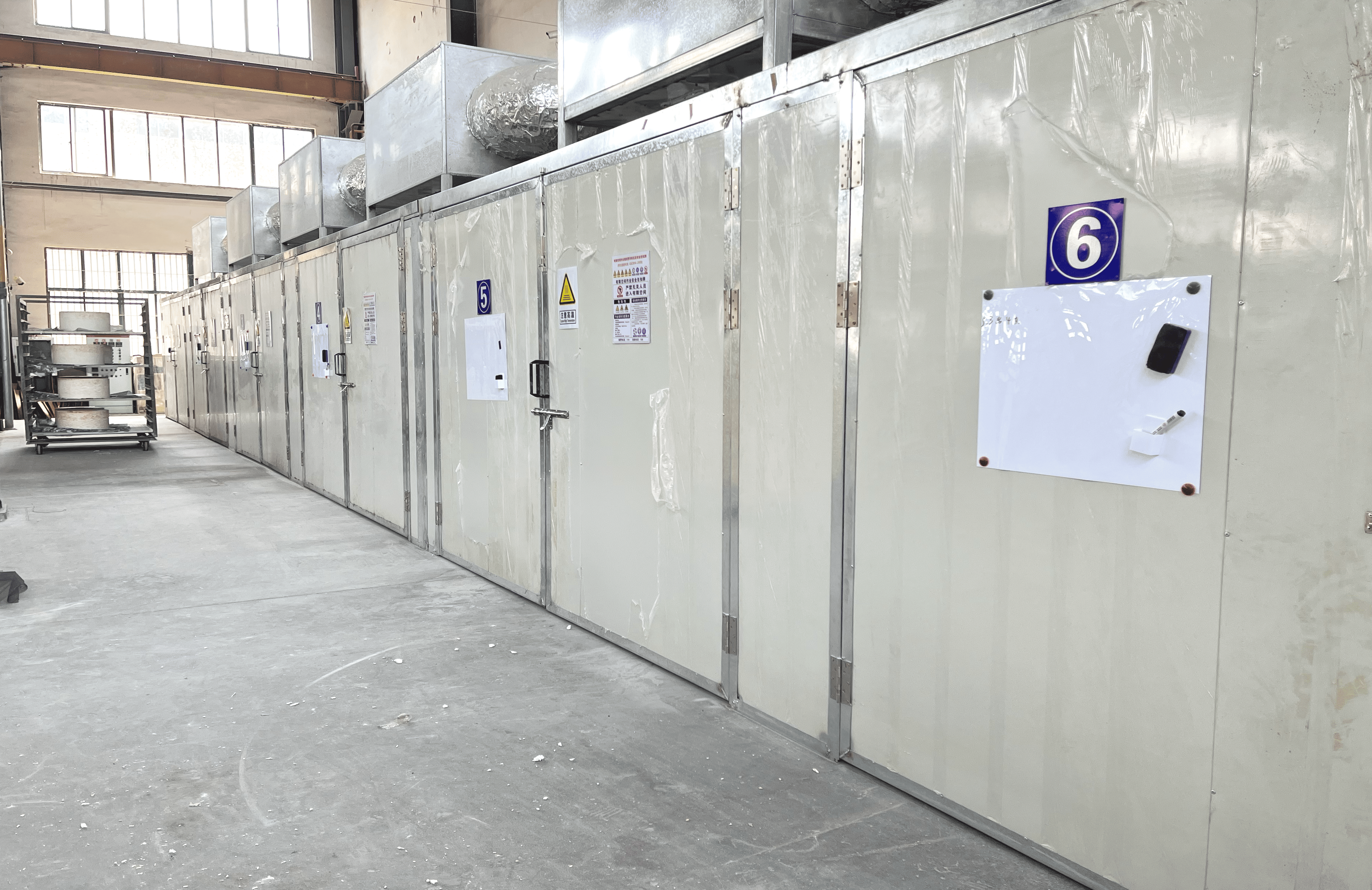 The insulation layer of the furnace lining plays a role in protecting the furnace shell and saving energy. Materials such as lightweight insulating refractory bricks and lightweight insulating castable fiberboards are often used as the insulation layer.
Since the pores of lightweight insulating refractory bricks or castables are larger than those of heavy materials, they are prone to shrinkage and deformation when heated during use. Therefore, different materials of insulating refractory bricks or castables should be selected according to different temperature conditions to maintain the stability of the insulation layer in the furnace lining. If shrinkage occurs, it may cause deformation or cracks in the insulation layer in the furnace body, increasing heat dissipation losses.
Therefore, when choosing lightweight insulating refractory bricks or insulating materials, it mainly depends on the ability to resist shrinkage and deformation under heating. The service temperature of insulating refractory bricks generally increases with the increase of volume density. When the volume density is too large, the thermal insulation effect is not good instead. When the volume density is small, the thermal insulation effect is good, but the strength is too low and it is extremely easy to peel off.
That is to say, under different temperatures, it is necessary to choose insulating bricks, castables, or fiber materials suitable for the service temperature as the insulation layer. The following are the different suitable temperatures for insulating refractory bricks or castables for reference:
The service temperature of slag wool is 600 °C, and the service temperature range of perlite insulation materials is 50 - 1000 °C;
The service temperature range of calcium silicate insulation boards is 650 - 1000 °C;
The insulation service temperature of vermiculite insulation materials is 1000 - 1150 °C;
The applicable temperature of diatomaceous earth insulating refractory bricks is 1000 - 1200 °C;
The temperature range of refractory ceramic fibers is 1000 - 1300 °C;
The suitable temperature of anorthite lightweight insulating bricks is 1100 - 1300 °C;
The applicable temperature of lightweight clay insulating bricks is 1000 - 1350 °C;
The applicable temperature of lightweight high-alumina insulating bricks is 1350 - 1500 °C;
The applicable temperature of lightweight siliceous insulating bricks is 1500 - 1550 °C;
The service temperature of polycrystalline alumina fibers is 1400 - 1600 °C;
The service temperature of mullite lightweight insulating refractory bricks is 1350 - 1650 °C;
The service temperature of lightweight corundum insulating bricks is 1650 - 1800 °C;
The service temperature range of alumina hollow sphere insulating bricks is 1650 - 1800 °C;
The applicable temperature range of zirconium fiber and hollow sphere insulating bricks is 1800 - 2000 °C.
The insulation layer of the furnace lining plays a role in protecting the furnace shell and saving energy. Materials such as lightweight insulating refractory bricks and lightweight insulating castable fiberboards are often used as the insulation layer.
Since the pores of lightweight insulating refractory bricks or castables are larger than those of heavy materials, they are prone to shrinkage and deformation when heated during use. Therefore, different materials of insulating refractory bricks or castables should be selected according to different temperature conditions to maintain the stability of the insulation layer in the furnace lining. If shrinkage occurs, it may cause deformation or cracks in the insulation layer in the furnace body, increasing heat dissipation losses.
Therefore, when choosing lightweight insulating refractory bricks or insulating materials, it mainly depends on the ability to resist shrinkage and deformation under heating. The service temperature of insulating refractory bricks generally increases with the increase of volume density. When the volume density is too large, the thermal insulation effect is not good instead. When the volume density is small, the thermal insulation effect is good, but the strength is too low and it is extremely easy to peel off.
That is to say, under different temperatures, it is necessary to choose insulating bricks, castables, or fiber materials suitable for the service temperature as the insulation layer. The following are the different suitable temperatures for insulating refractory bricks or castables for reference:
The service temperature of slag wool is 600 °C, and the service temperature range of perlite insulation materials is 50 - 1000 °C;
The service temperature range of calcium silicate insulation boards is 650 - 1000 °C;
The insulation service temperature of vermiculite insulation materials is 1000 - 1150 °C;
The applicable temperature of diatomaceous earth insulating refractory bricks is 1000 - 1200 °C;
The temperature range of refractory ceramic fibers is 1000 - 1300 °C;
The suitable temperature of anorthite lightweight insulating bricks is 1100 - 1300 °C;
The applicable temperature of lightweight clay insulating bricks is 1000 - 1350 °C;
The applicable temperature of lightweight high-alumina insulating bricks is 1350 - 1500 °C;
The applicable temperature of lightweight siliceous insulating bricks is 1500 - 1550 °C;
The service temperature of polycrystalline alumina fibers is 1400 - 1600 °C;
The service temperature of mullite lightweight insulating refractory bricks is 1350 - 1650 °C;
The service temperature of lightweight corundum insulating bricks is 1650 - 1800 °C;
The service temperature range of alumina hollow sphere insulating bricks is 1650 - 1800 °C;
The applicable temperature range of zirconium fiber and hollow sphere insulating bricks is 1800 - 2000 °C.